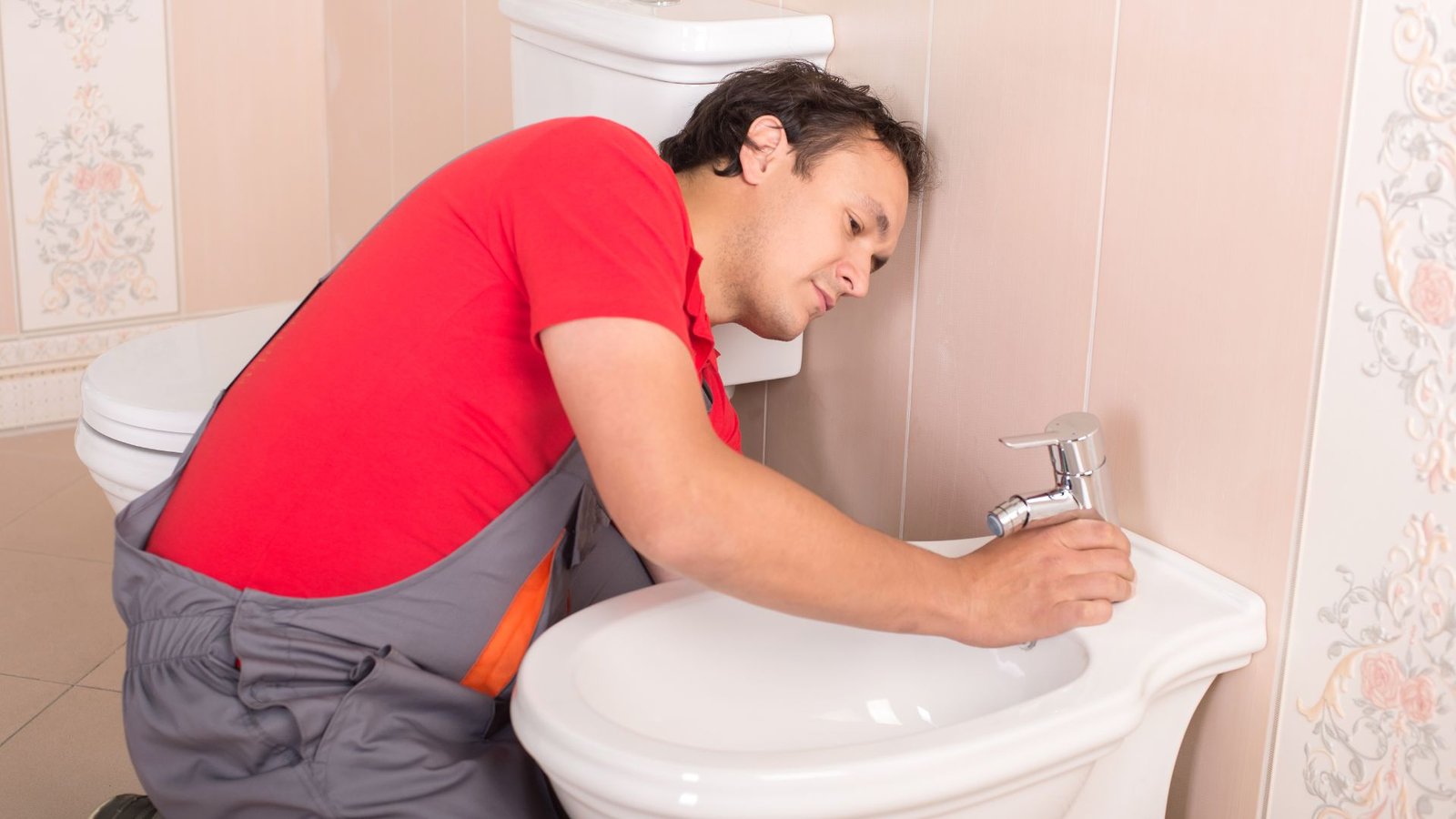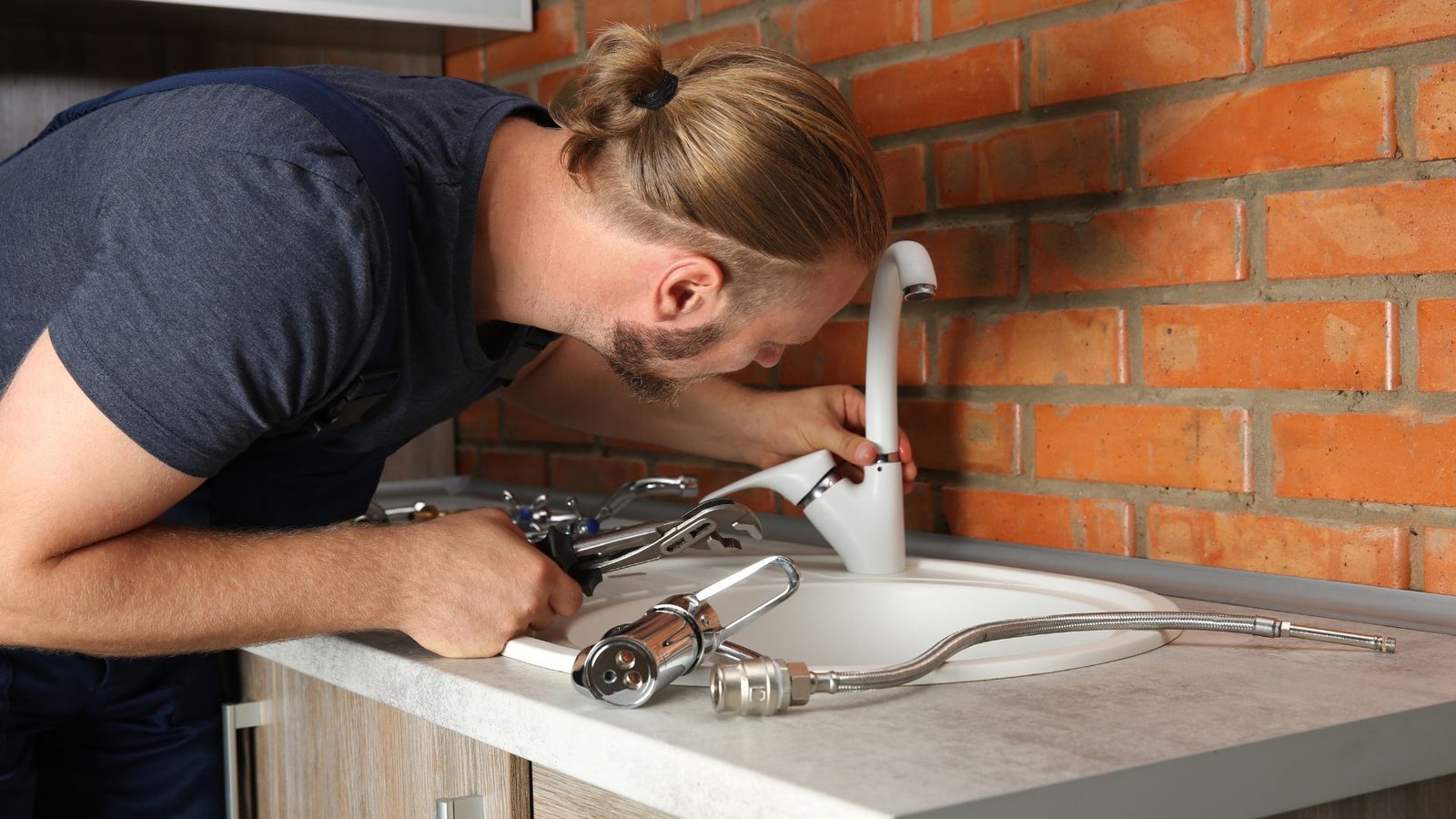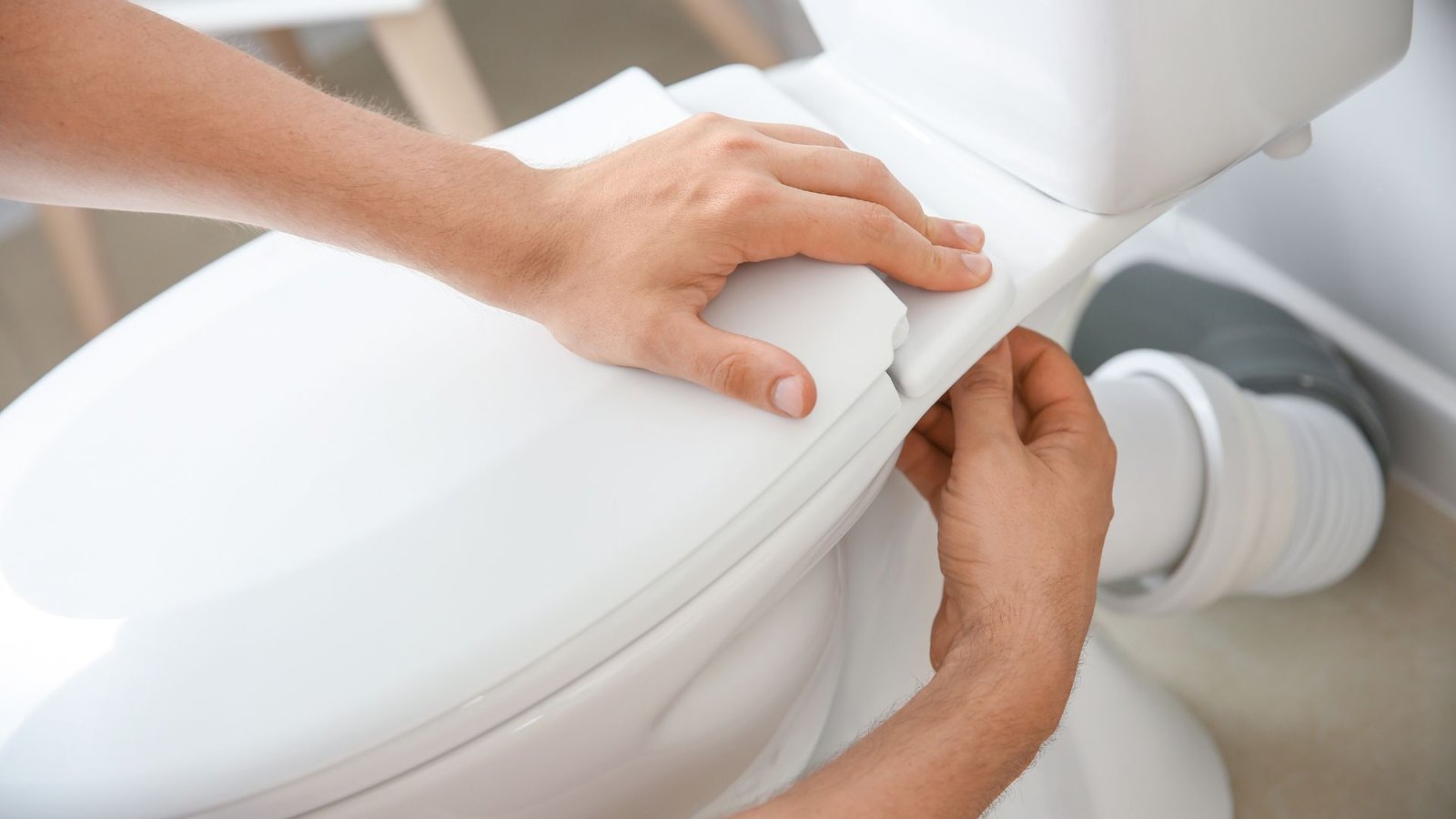
When plumbing fixtures start acting up, sometimes small issues escalate into big headaches. Catching trouble early can save both time and money. In this post, we’ll walk you through seven key signs that your toilet, faucet, or related fixtures need repair or replacement. We’ll also explain when a repair suffices — and when it’s smarter to replace — and link you to deeper resources for each.
If at any point you feel like these signs sound familiar in your home, you can learn more on our Toilet, Faucet & Fixture Repair or Replacement page, or Contact Us directly to schedule professional help.
Why early detection matters
When it comes to plumbing, prevention and early intervention make a huge difference. Here’s why:
- Plumbing leaks or fixture failures often worsen if left unattended
- Minor drips can lead to hidden water damage, mold, or structural issues
- Repeated repairs may cost more over time than a replacement
- Upgrading to newer fixtures can improve efficiency and aesthetics
If you spot an issue, don’t delay. Even small drips from a faucet or a toilet that “runs” all night can be red flags that demand attention.
1. Constant dripping or leaking
A faucet that drips or a toilet that continuously runs is a telltale sign:
- Even a slow drip loses gallons over time
- Leaks at the base or around seals indicate worn-out parts
- In toilets, a faulty flapper or misaligned flush valve often causes constant running
At this stage, repair (replacing seals, cartridges, flappers) is often enough — unless underlying corrosion or structural damage exists. If you notice persistent leaks, consider contacting a professional to evaluate whether it’s more cost-effective to repair or replace.
Contact Us here if you’d like a licensed plumber to inspect a persistent leak in your bathroom.
2. Reduced water pressure or weak flush
If your faucet spray is weak or your toilet flushes weakly:
- Mineral buildup or clogged aerators may be to blame
- Internal parts may be worn, preventing full flow
- In toilets, low water level or partial valve failure can contribute
A repair might restore full power — but if the fixture is older or corroded, replacement could be the smarter investment.
3. Rust, corrosion, or visible wear
When you see rust, pitting, or discoloration:
- Corroded metal weakens structural integrity
- Surface degradation often signals deeper internal breakdown
- This is especially concerning near joints, threads, or seals
Often, replacement is recommended if corrosion has spread significantly. Repairing may not buy much more time if the fixture body itself is failing.
4. Stiff or loose handles and valves
If turning your faucet handle is stiff or wobbly:
- Gaskets or cartridges may be worn
- Handle mechanisms might be loose or misaligned
- Loose fixtures may cause leaks under stress
Repairs may include tightening, replacing internal parts, or refastening. But if the damage extends deeper, a full replacement will offer better long-term stability.
5. Cracks, chips, or structural damage
- Porcelain toilet cracks lead to leaks or fractures — not safe to repair long term
- Fixture surfaces with deep chips can worsen over time
- Cosmetic damage sometimes is okay, but structural damage drives replacement
This is one of the biggest red flags: once cracks appear, replacement is the only safe and durable option.
6. Frequent recurring repairs
If you’re always calling for the same fix:
- Repeated sealing, tightening, or part swaps may hint at a failing fixture
- The cost and hassle of repeated work often outweigh a new install
- Replacement can bring stability and peace of mind
At this point, it’s not just about fixing a problem — it’s about stopping the cycle of breakdowns.
7. Renovation or efficiency upgrades
Even if everything “works,” renovation or efficiency goals may prompt replacement:
- New fixtures allow a fresh design / modern style
- Upgrades may include water-saving models, sensor faucets, or improved flush toilets
- While repairing can help, replacement better matches renovation goals
During a remodel, it’s often cost-effective to replace toilets, faucets, and fixtures together for a consistent look and performance.
Repair vs Replacement: How to choose
| Factor | Repair | Replacement |
|---|---|---|
| Age & condition | Works well for newer fixtures with minor wear | Better for old, corroded, or structurally damaged units |
| Cost & frequency | Lower short-term cost; may recur | Higher up front but stable long term |
| Water efficiency | May not improve efficiency | New models often more efficient |
| Appearance & design | No change in look | Full style upgrade |
| Risk of failure | May fail again if underlying damage | New install reduces risk |
For more details, see our full service overview: Toilet, Faucet & Fixture Repair or Replacement.
What to expect during repair / replacement
- Inspection of the fixture and its internal components
- Replacement of seals, cartridges, valves, or washers
- For replacement: removal of old fixture, adapting pipes or mount, sealing and testing
- Final checks for leaks, performance, and finish
Want to know what this process would look like in your home? Contact Us here to get answers tailored to your situation.
Maintenance tips to extend fixture life
- Wipe fixtures regularly to avoid mineral buildup
- Flush aerators or screen filters occasionally
- Check under sinks or toilet bases for signs of moisture
- Avoid harsh chemical cleaners that corrode metal
- Schedule occasional checks to catch early leaks
These small habits can add years to your fixtures and reduce repair needs.
Summary & next steps
If you notice any of these 7 warning signs — from leaks to reduced pressure to corrosion or recurring fixes — it’s time to evaluate repair vs replacement.
- Learn more about our services: Toilet, Faucet & Fixture Repair or Replacement
- Or, take the next step today: Contact Us to book an inspection or repair.