Choosing between a tank and a tankless water heater is a common decision for homeowners. Each type has strengths and trade-offs. The right choice depends on your household size, energy costs, available space, and how important efficiency is to you.
In this article, we’ll talk about:
- How tank and tankless water heaters differ
- Pros & cons for each type
- What to think about for installation in Pasadena (or similar climates)
- Cost considerations and long-term savings
Key Differences: Tank vs. Tankless
| Feature | Tank Heater | Tankless Heater |
|---|---|---|
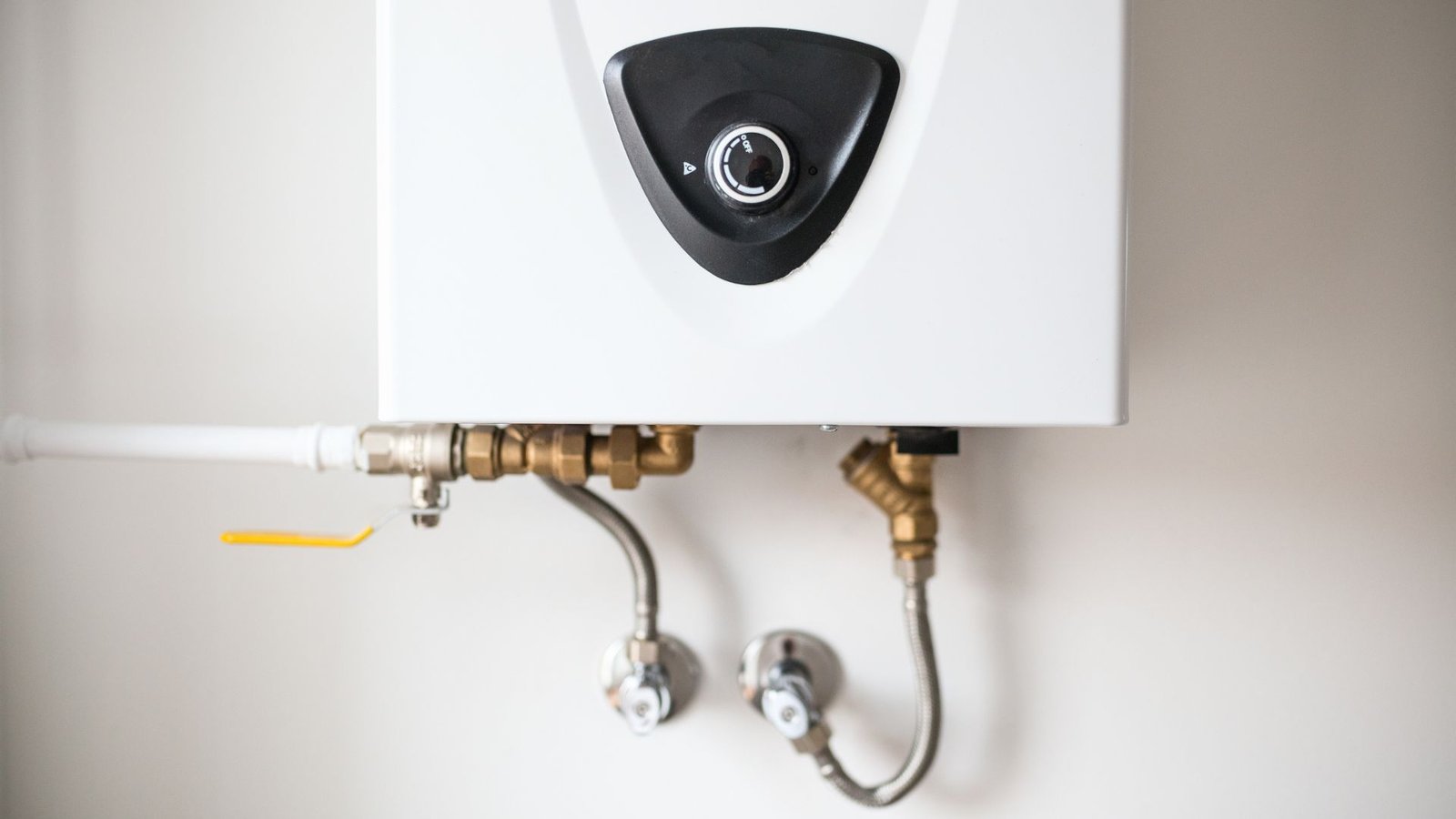
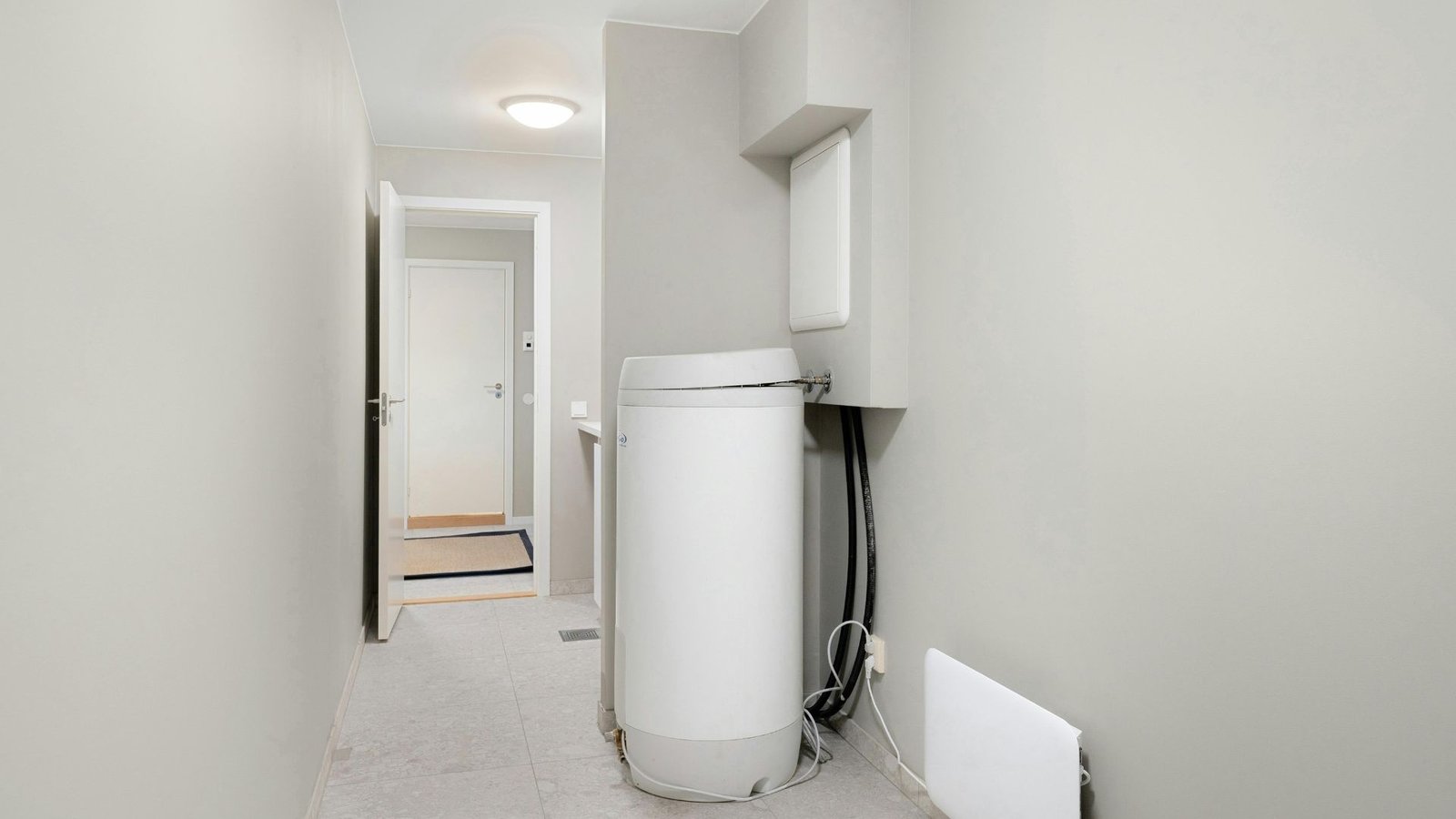
| Water storage | Holds hot water in insulated tank | Heats water on demand, no storage |
| Size & footprint | Larger, needs space for tank plus clearance | Smaller, more compact, flexible placement |
| Energy usage | Constant energy to maintain tank temperature (“standby loss”) | Only uses energy when hot water is needed |
| Lifespan | Generally 8-12 years, depending on maintenance | Often longer if well installed and maintained |
Pros & Cons Summarized
Tank Heaters
Pros
- Lower purchase cost
- Simpler installation (especially if replacing an existing tank)
- Good for households with steady, predictable hot water use
Cons
- More energy waste keeping water hot around the clock
- Bulkier footprint
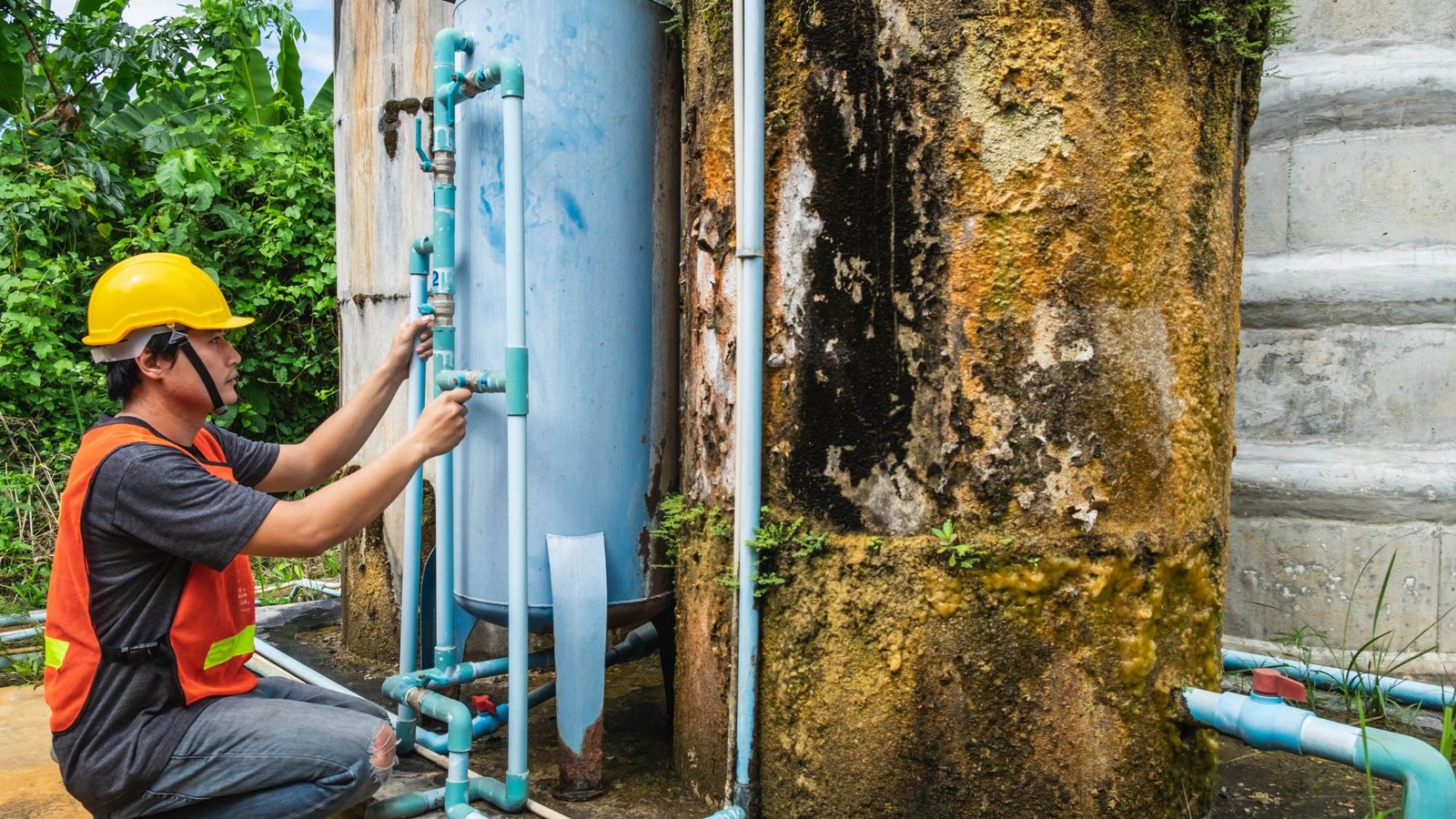
- Risk of leaks in aging tanks
Tankless Heaters
Pros
- Higher energy efficiency
- Hot water continuously (no running out once the tank is depleted)
- Smaller, possible to install closer to point-of-use
Cons
- Higher initial cost
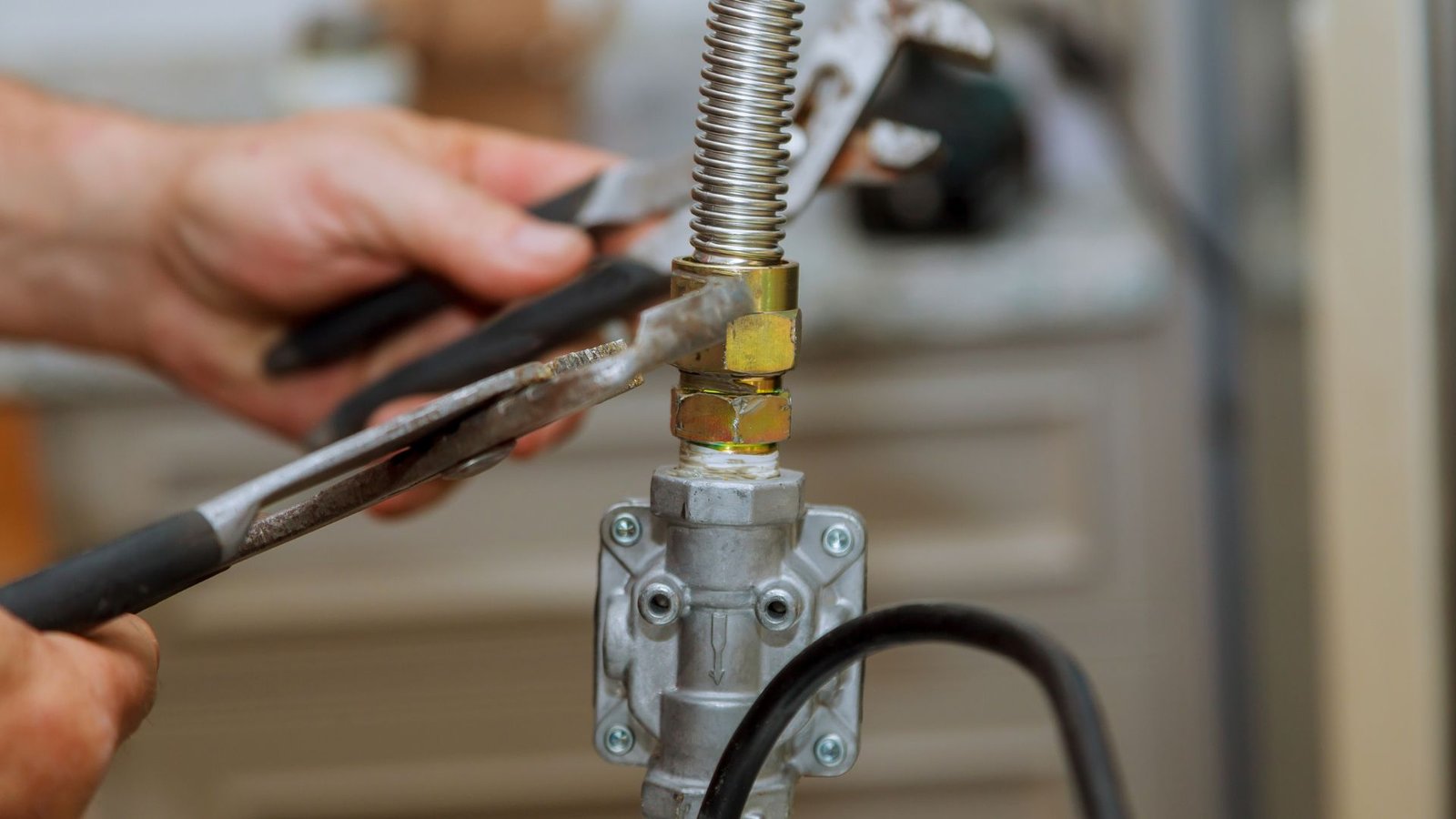
- May need upgrades (gas line, venting, electric capacity)
- Performance drops if multiple outlets demand hot water at once (unless sized properly)
What to Think About for Installation
Before installing a new water heater (tank or tankless), consider:
- Capacity / flow rate: How many fixtures will run hot water simultaneously?
- Fuel type and infrastructure: Gas vs electric vs propane; whether existing venting works
- Space & location: Proper clearance, access for maintenance, protection from freezing or elements
- Energy efficiency & local codes: Might have codes or rebates in Pasadena/California favoring efficient units
Cost Breakdown & Long-Term Value
- Upfront equipment cost + installation labor
- Utility costs: energy bills over time (electricity, gas)
- Maintenance and repair expenses
- Lifetime value: a tankless unit might cost more at first but save significantly over 10+ years
When Switching Makes Sense
You might want to switch from tank to tankless if:
- You’re renovating or adding more bathrooms
- Energy bills are rising because of poor efficiency of your current tank unit
- You have limited space and want a compact solution
- You’re committed to reducing environmental impact
How We Assist With Tank & Tankless Installations
Our team helps homeowners decide the best fit, then perform professional installation, ensuring correct size, safety requirements, and efficiency. Whether you want a conventional storage unit or going tankless, our Water Heater Repair & Installation service covers all aspects.
When you’re ready to explore options or get a quote, feel free to get in touch via our Contact Us page.