Introduction
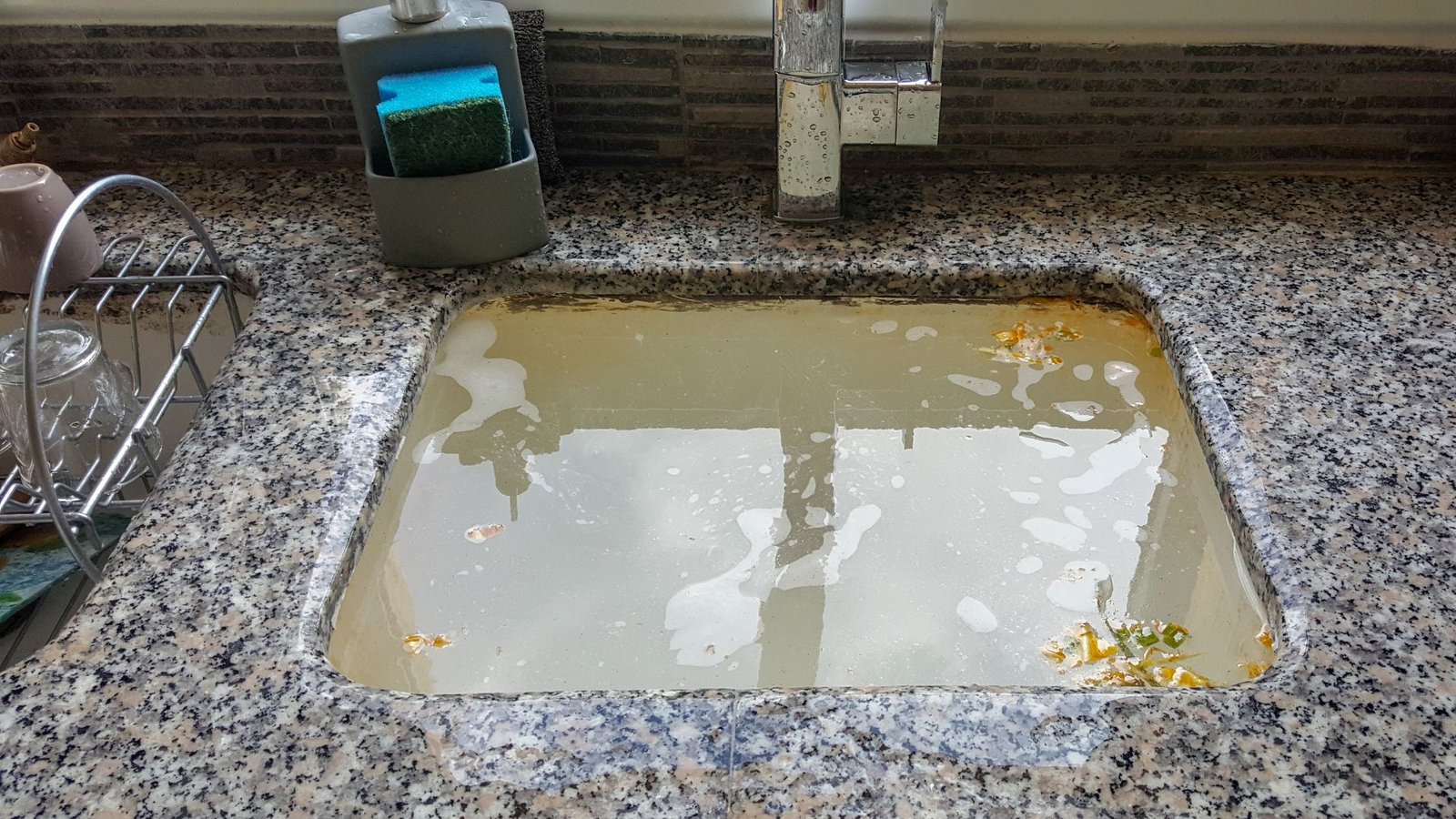
You don’t have to wait for clogs to strike. With regular maintenance, you can reduce blockages, prolong pipe health, and save on repair bills. This post gives practical steps to maintain drains between professional cleaning sessions.
For deeper solutions, see our Drain Cleaning page.
Daily / Weekly Habits for Healthy Drains
- Run hot water after washing dishes
- Avoid grease or oil down sinks
- Use a drain strainer
- Dispose of food scraps in trash
- Flush with hot water + mild dish soap weekly
Monthly DIY Cleaning Options
| Method | Steps | Best For | Notes |
|---|---|---|---|
| Boiling water flush | Pour 1–2 liters slowly | Light residue | Not for old PVC |
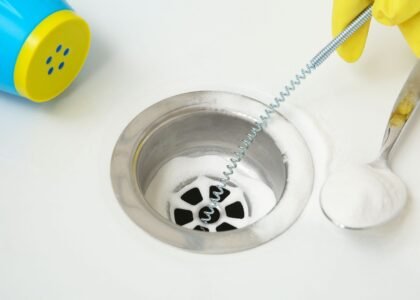
| Baking soda + vinegar | ½ cup each, wait 15 mins, flush | Odors, grease | Avoid after harsh chemicals |
| Enzyme cleaner | Apply overnight | Organic buildup | Regular use needed |
| Manual removal | Plunger or auger | Shallow clogs | Don’t force if resistance strong |
Seasonal / Quarterly Checks
- Smell test
- Gurgle / sound test
- Visual inspection of traps
- Camera probe if available
If issues persist, schedule a Drain Cleaning appointment.
When DIY Fails
Stop DIY and call a pro if:
- Clogs recur often
- Multiple drains gurgle
- Suspected pipe damage
- Main sewer line is blocked
How Maintenance Connects with Professional Cleaning
DIY reduces heavy buildup and makes professional jobs quicker. Blog 1 shows why cleaning matters, Blog 3 explains advanced methods.
Conclusion / Call-to-Action
DIY helps, but professionals provide complete solutions. Learn more at Drain Cleaning or reach us today via Contact Us.