Gas line systems power comfort, efficiency, and convenience — but they must be handled with care. Understanding proper safety practices during installation can prevent costly and dangerous problems later.
Let’s dive into the essential safety tips for gas line installations that every Pasadena homeowner should know.
1. Always Hire a Qualified Professional
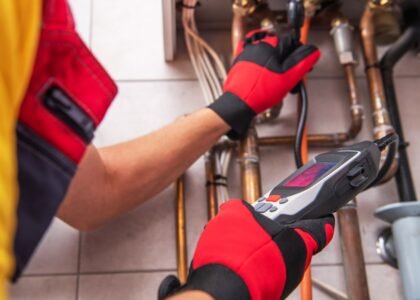
Gas work is never a DIY project. Professional plumbers have the tools, training, and permits to ensure the job meets safety codes. They can detect leaks, test pressure, and ensure proper connections for long-term reliability.
Explore how our experts handle Gas Line Work & Safety Installations with care and precision.
2. Use the Right Materials
Gas lines are typically made from:
- Black iron pipe (most common and durable)
- CSST (corrugated stainless steel tubing)
- Copper or polyethylene (for specific applications)
Using the wrong materials can lead to corrosion or poor flow. Professionals ensure each section is suited for Pasadena’s local conditions and building codes.
3. Proper Pressure Testing
Before activating a gas system, every new line should undergo a pressure test. This ensures there are no leaks or weak joints. Skipping this step is a major safety risk.
Technicians use specialized gauges to monitor pressure consistency and verify the system’s integrity.
4. Ventilation and Clearance
Gas appliances require proper ventilation to avoid dangerous gas buildup. Always maintain adequate clearance around:
- Water heaters
- Furnaces
- Cooktops and ovens
- Outdoor heaters
A professional will confirm your system has enough airflow and meets clearance requirements.
5. Be Alert for Gas Leaks
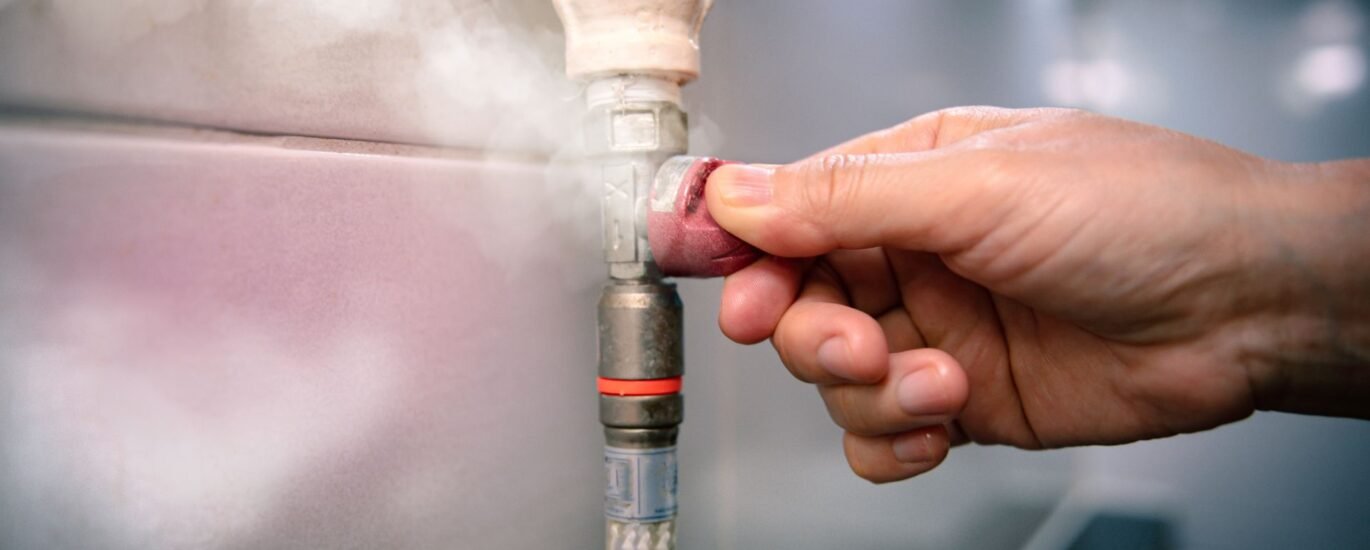
Even with the best installation, leaks can occur over time. Common symptoms include:
- A rotten egg smell (added by utility companies for detection)
- Hissing sounds near pipes
- Unexplained high gas bills
If you notice these, leave immediately and contact emergency services.
6. Schedule Regular Inspections
Gas line systems should be inspected regularly — especially after earthquakes or renovations. Annual checkups ensure:
- Joints remain tight
- Corrosion is addressed early
- Valves and fittings work properly
Pasadena homeowners benefit from preventative maintenance that saves money and ensures safety.
7. Protect Outdoor Gas Lines
Outdoor gas lines can be exposed to:
- Weather damage
- Tree roots
- Construction interference
Always mark line locations before digging or landscaping. Protecting these lines helps prevent accidental damage.
8. Emergency Readiness
Keep your household informed about what to do in case of a suspected gas leak:
- Evacuate immediately.
- Avoid using lights or electronics.
- Call your gas company or emergency services from outside the property.
Preparation can make all the difference in a crisis.
9. Post-Installation Follow-Up
Once your gas line is installed, schedule a follow-up inspection after the first few months of use. This helps catch any settling or pressure changes that could affect performance.
10. Partner with Trusted Experts
Your home’s safety depends on proper installation, testing, and maintenance. The right plumbing professionals prioritize safety and precision in every project.
Learn more about Gas Line Work & Safety Installations at Top Repipe Plumbers Pasadena CA, or contact us today to schedule an inspection or consultation.