The toilet is one of the most essential fixtures in any home. Because it’s used every day, even small problems can quickly become frustrating. But here’s the big question: should you repair your toilet, or is it time for a full replacement?
In this post, we’ll walk through:
- The most common toilet problems and their fixes
- When repair makes sense
- When replacement is the smarter long-term choice
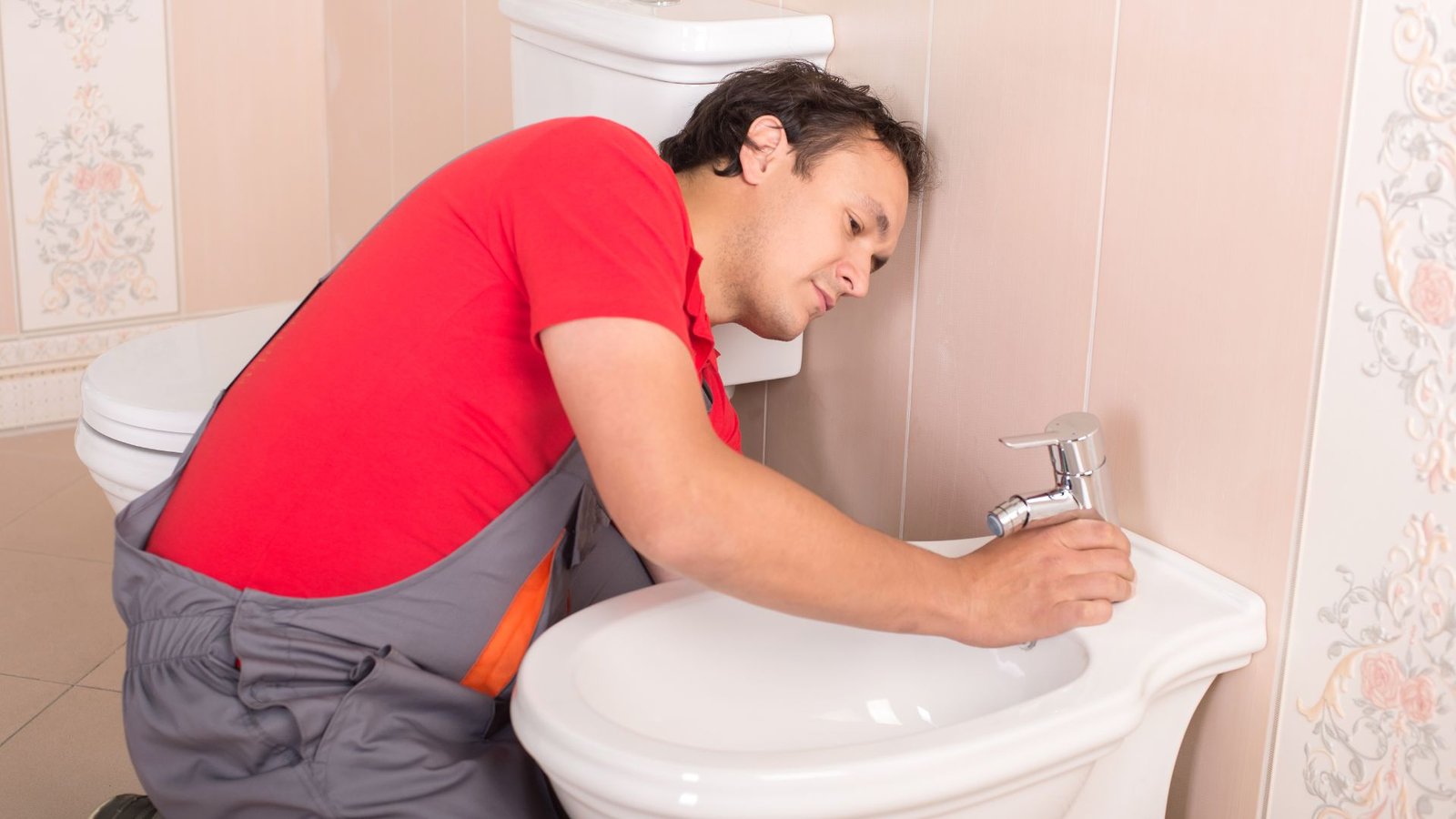
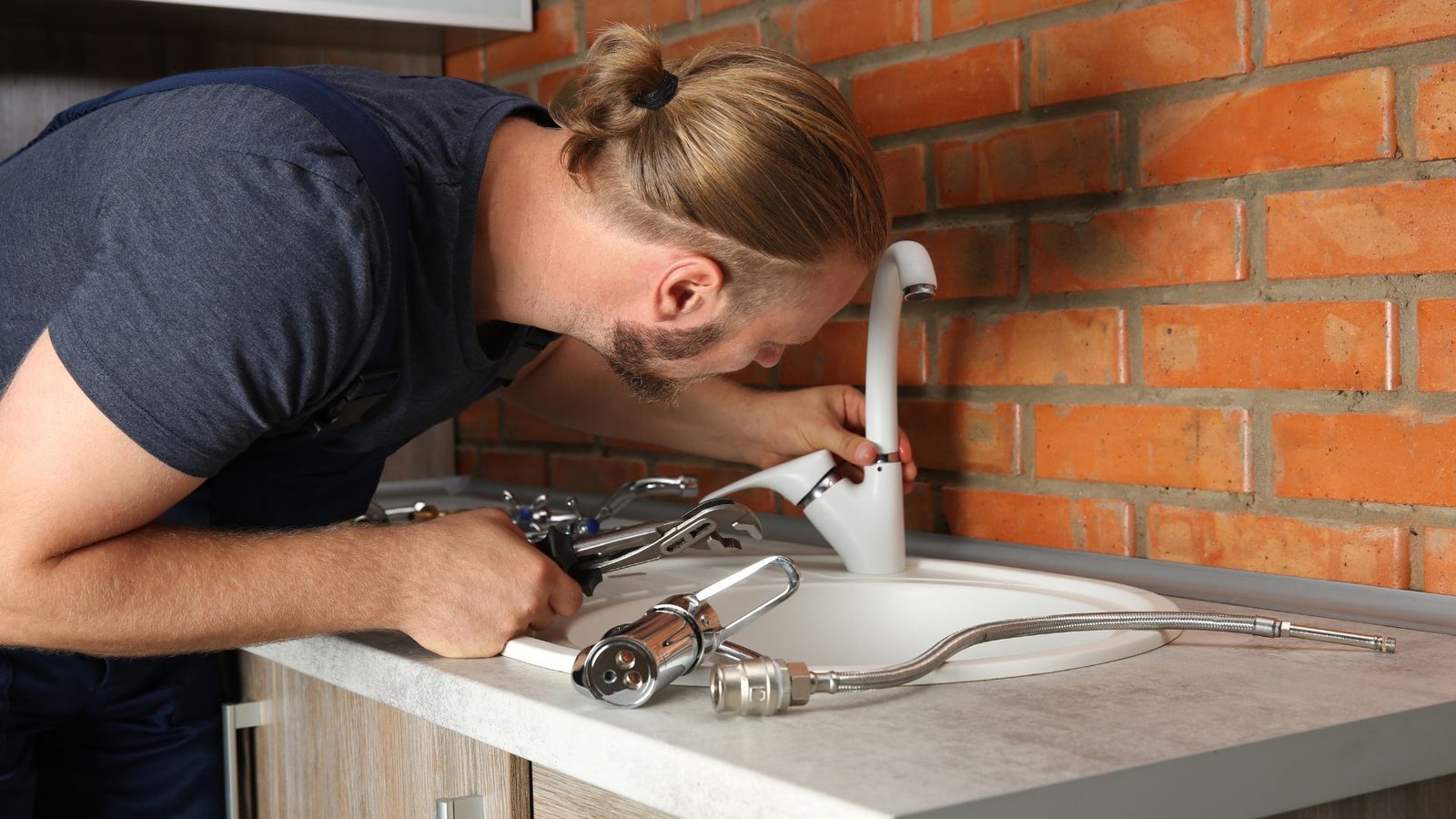
- How toilet work ties into faucet and fixture servicing
- What to expect from the process
- Tips for long-term care
By the end, you’ll know how to make the right decision for your home. If you’re facing a problem right now, you can also skip ahead and Contact Us directly for professional advice.
Why toilets are unique
Unlike other plumbing fixtures, toilets:
- Have multiple moving parts in the tank (flapper, fill valve, flush valve, float)
- Contain porcelain that can develop cracks or wear over time
- Connect directly to sewer lines, making leaks especially problematic
- Must withstand daily use, meaning wear shows up faster
Because of these factors, the decision between repair and replacement isn’t always obvious.
Common toilet troubles and repair solutions
Here are the most frequent issues homeowners face, along with typical fixes:
- Running toilet / continuous water flow
- Cause: Faulty flapper, misaligned flush valve, or float problems
- Fix: Replace the flapper, adjust the float arm, or reseat the valve
- Weak or incomplete flush
- Cause: Blocked rim holes, mineral buildup, or worn flush valve
- Fix: Clean buildup, adjust water level, or replace valve parts
- Wobbling or rocking toilet
- Cause: Loose bolts, degraded wax ring, or flange issues
- Fix: Re-bolt toilet, replace wax ring, or repair flange
- Leaks around the base
- Cause: Failed wax ring or flange damage
- Fix: Replace wax ring and ensure bolts are properly tightened
- Cracks in porcelain
- Cause: Age, impact, or structural stress
- Fix: Unfortunately, replacement is the only safe solution
- Clogs or frequent backups
- Cause: Drain issues, foreign objects, or old low-flow models
- Fix: Auger or snake for minor clogs; replacement for old models
Many of these problems can be solved without replacing the entire toilet. However, as we’ll see, some situations call for a fresh start.
When toilet repair makes more sense
Repairs are the best choice when:
- The structure is sound — no cracks in the bowl or tank
- Parts are available — modern toilets often have replaceable components
- The toilet is newer — less than 10–15 years old
- The problem is localized — such as a worn flapper or valve
- You’re cost-conscious right now — repairs are less expensive in the short term
Repairs are especially smart for newer models that are still efficient but just need minor fixes.
Red flags that mean replacement is the better choice
Sometimes repairing a toilet is just delaying the inevitable. Replacement is recommended when:
- There are cracks in the tank or bowl
- The toilet is 20+ years old or obsolete
- You’re facing recurring issues despite multiple repairs
- The toilet uses excessive water compared to modern models
- You’re renovating and want a fresh design
Once porcelain cracks, there’s no permanent repair. Likewise, outdated toilets can waste thousands of gallons of water annually, making replacement a cost saver long term.
The bigger picture: toilets + fixtures
When replacing a toilet, it’s smart to evaluate your faucets and other fixtures too. Why?
- A new toilet next to an old faucet can look mismatched
- Shared supply lines may need upgrades
- Coordinating fixture upgrades reduces repeat service visits
You can learn more about this holistic approach on our Toilet, Faucet & Fixture Repair or Replacement page.
If you’re not sure whether to handle just the toilet or upgrade fixtures together, Contact Us for tailored advice.
Step-by-step: toilet replacement process
Here’s what happens during a professional toilet replacement:
- Shut off water supply and drain tank/bowl
- Disconnect water line from the shutoff valve
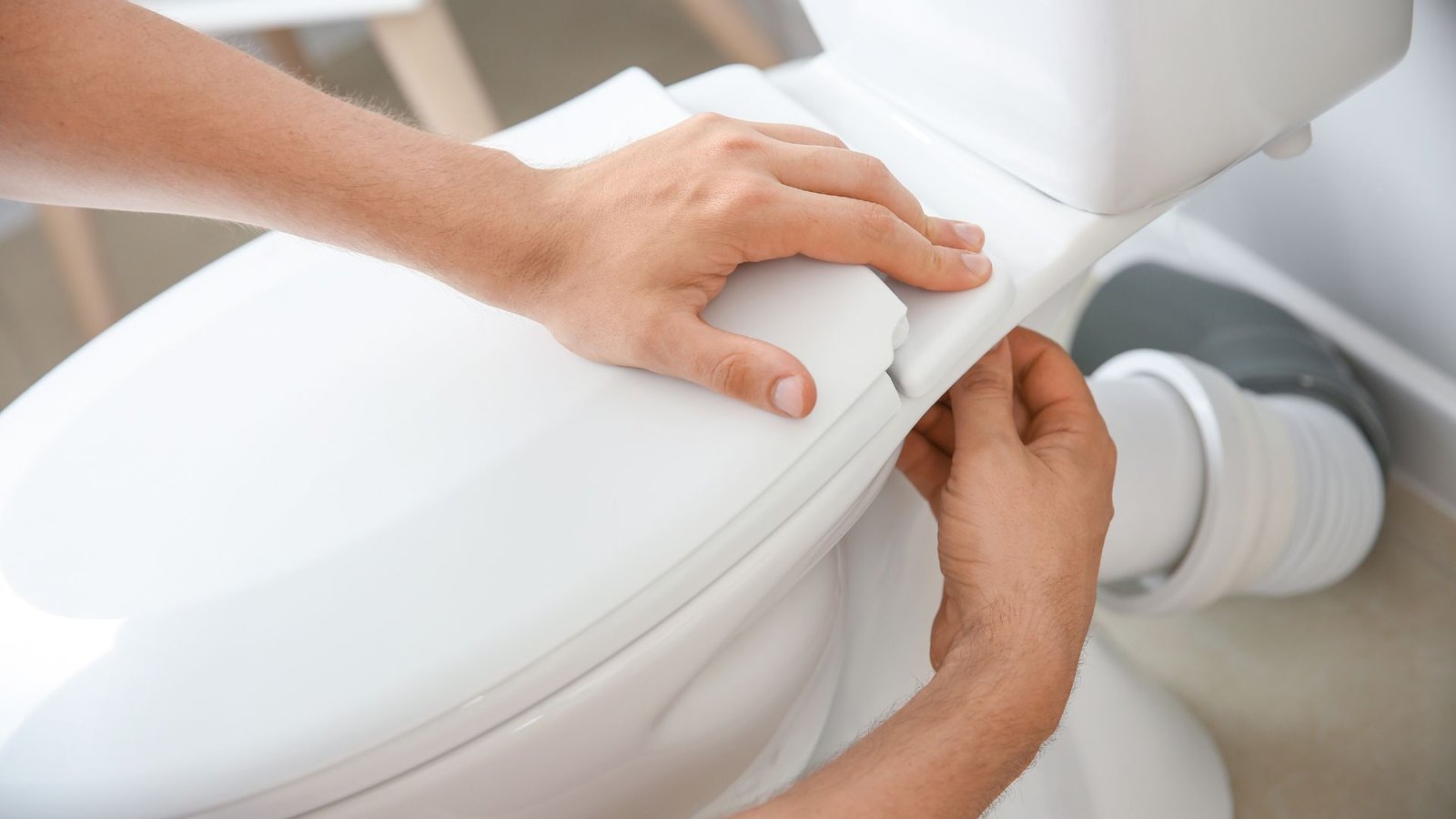
- Remove bolts and lift out the old toilet
- Inspect flange and drain pipe for wear or damage
- Install new wax ring or modern rubber seal
- Set the new toilet onto flange and secure bolts
- Reconnect water supply and test for leaks
- Adjust flush mechanisms for proper operation
Often, this process includes checking nearby shutoff valves, faucets, and sink plumbing to ensure the whole bathroom is in good shape.
Cost & disruption comparison
| Factor | Repair | Replacement |
|---|---|---|
| Cost | Lower upfront | Higher (fixture + install) |
| Time | Quick (1–2 hours) | Moderate (2–4 hours) |
| Durability | May need repeat work | Long-term solution |
| Efficiency | No change | Modern water savings |
| Appearance | Same look | Fresh, updated style |
While replacement costs more upfront, it can save money in reduced repairs and lower water bills over time.
Long-term maintenance tips
To extend your toilet’s lifespan (whether repaired or replaced):
- Avoid harsh cleaners that damage seals and porcelain
- Inspect the base for leaks every few months
- Clean rim holes to maintain strong flushes
- Check the flapper annually for wear
- Use a plunger or auger for clogs — never chemical drain cleaners
Good maintenance reduces both repair calls and water waste.
Final thoughts & next steps
Deciding between toilet repair and replacement depends on age, condition, and your goals. If your toilet is cracked, inefficient, or a repeat offender, replacement is the wiser choice. If it’s relatively new and structurally sound, repairs can keep it running smoothly for years.
- Explore our full breakdown here: Toilet, Faucet & Fixture Repair or Replacement
- Or, for fast guidance, Contact Us now to book service.