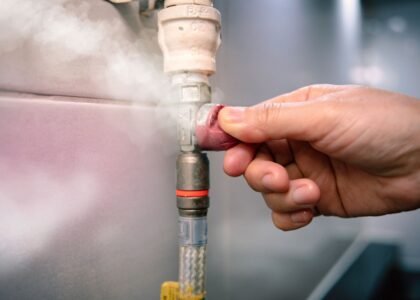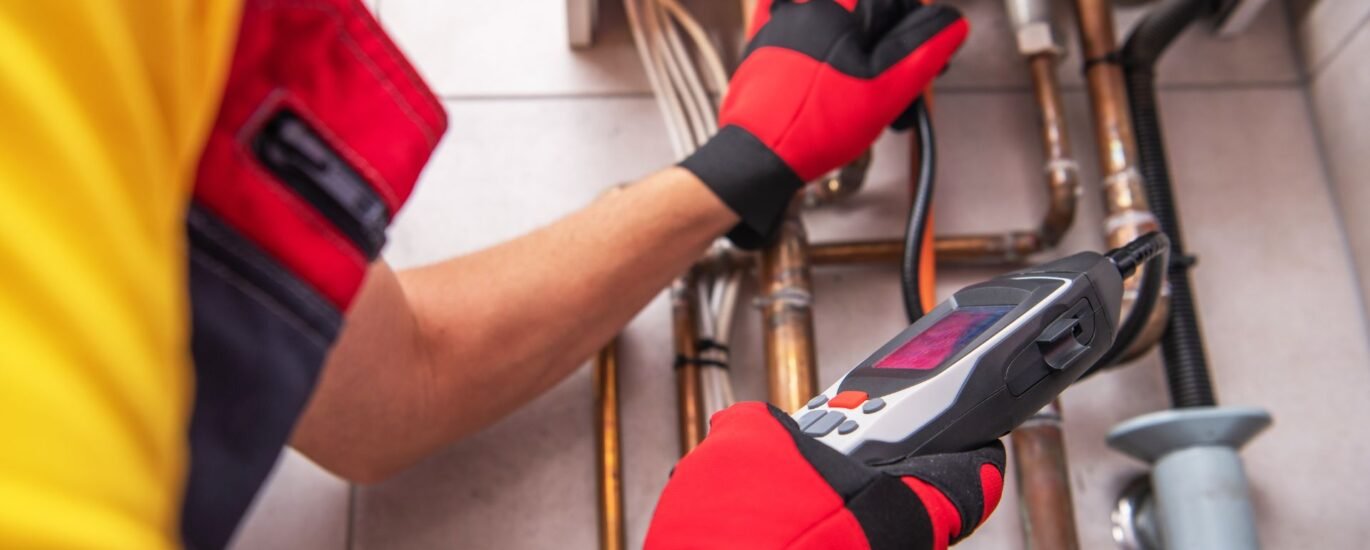
Gas line systems are among the most critical components of a home or business — yet they’re often overlooked until something goes wrong. Whether you’re installing a new line or maintaining an existing one, gas line work and safety installations demand expertise, precision, and a commitment to safety.
In this guide, we’ll explore everything Pasadena residents need to know about gas line installation, repair, and safety to ensure your home or business runs efficiently and safely.
Why Gas Line Safety Matters
Gas lines power essential appliances such as:
- Stoves and ovens
- Water heaters
- Furnaces
- Fireplaces
- Outdoor grills and heaters
When these systems are installed or maintained incorrectly, the risks can be serious — from leaks to carbon monoxide exposure. That’s why professional gas line work is not just recommended; it’s essential.
Learn more about our approach to Gas Line Work & Safety Installations.
Common Signs of Gas Line Problems
Gas line issues often start small but can quickly become emergencies. Here are a few warning signs Pasadena homeowners should watch for:
- Hissing sounds near appliances or gas lines
- Unusual odors (especially sulfur or “rotten egg” smells)
- Dead vegetation in the yard above buried lines
- Rising gas bills without increased usage
- Yellow or flickering flames instead of blue
If you notice any of these signs, contact a professional immediately to assess the situation and make repairs safely.
The Importance of Professional Installation
A properly installed gas line ensures:
- Leak-free connections that protect your home
- Efficient gas flow for consistent appliance performance
- Code compliance with Pasadena’s building and safety regulations
DIY installations might seem cost-effective, but gas line work requires specialized tools and knowledge. Even a minor error can result in leaks or safety hazards. A qualified professional ensures that every joint, connection, and valve is secure.
Types of Gas Line Installations
Depending on your property and energy needs, your system may include several line types:
1. Main Supply Lines
These connect your property to the city’s natural gas system or tank. They must be properly sized to handle your total gas demand.
2. Branch Lines
These deliver gas to specific appliances throughout your home or building.
3. Flexible Gas Lines (CSST)
These modern lines make routing easier and can withstand minor ground movement — ideal for Pasadena’s seismic conditions.
Each type requires precise installation and testing to ensure safety.
Routine Maintenance and Safety Checks
Gas line systems should never be “install and forget.” Regular inspections help catch problems early and keep your system running smoothly.
A professional inspection typically includes:
- Pressure testing the lines
- Checking for corrosion or physical damage
- Inspecting appliance connections
- Verifying code compliance
For Pasadena homeowners, it’s recommended to have your gas lines inspected annually or whenever adding a new appliance.
What to Expect During a Gas Line Installation
If you’re planning a new installation, here’s a quick overview of the process:
- Consultation and Planning — The technician evaluates your gas needs and plans line routing.
- Permits and Compliance — Proper permits are secured to meet Pasadena’s building codes.
- Installation and Connection — The gas line is installed, tested, and connected to appliances.
- Pressure Testing — Ensures there are no leaks or weaknesses.
- Final Inspection — Confirms the system is safe and operational.
Safety Precautions for Homeowners
Here are a few steps to help you stay safe year-round:
- Never ignore a gas odor — leave immediately and call for help.
- Avoid using electrical switches or phones if a leak is suspected.
- Keep flammable materials away from gas appliances.
- Schedule regular maintenance for peace of mind.
Contact the Experts
Whether you need a new line installed or a safety inspection, professional support makes all the difference. For trusted Gas Line Work & Safety Installations, visit Top Repipe Plumbers Pasadena CA to learn more about our services or contact us directly.